Independent education site, not Binance / a bank / a broker, and not official Never collects passwords, codes, private keys, seed phrases or KYC files Some outbound links are sponsored referral links
Check before you open an official page: the official domain is accounts.binance.com. Read it letter by letter in the address bar to avoid phishing. This site shows no invite code; links go through a sponsored referral and the site may earn a commission.
See the exit notice →
What this site is for

“Holding dollars” in plain words

No market calls, no buy or sell advice. Just a clear, line by line look at what each container costs, how long it takes to get your money out, where it gets stuck and what its risks are. Written for ordinary people under a sliding local currency or inflation pressure who want a dollar fallback for their savings and worry about getting burned.

By the end, you can pick the container that fits you, run it past the pre-signup checklist, then confirm the details on the platform's own official page.

Top-down view of an open notebook with handwritten comparison columns, a fountain pen and a pair of glasses

Four containers, one table

None is best, only better or worse for you. This comparison is the starting point for every guide on the site.

USD container dashboard
Container (who it suits) BarCostLiquidity Where it worksMain risk
Offshore USD accountCross-border income, need bank statements HighMidMid LimitedOnboarding compliance, wire limits
Multi-currency wallet Wise·RevolutSmall, frequent swaps, travel or remote work LowLowHigh Rolling outNot a bank, limits and freezes
Brokerage USD money fund/cashSpare cash you want a little yield on MidMidMid LimitedMarket swings, platform compliance
Stablecoin USDT·USDCPeople who already get self-custody and risk LowLowHigh Check local rulesDepeg, platform and compliance

Offshore USD account

Who it suits
Cross-border income, need bank statements
Bar
High
Cost
Mid
Liquidity
Mid
Where it works
Limited
Risk
Onboarding compliance, wire limits

Multi-currency wallet Wise·Revolut

Who it suits
Small, frequent swaps, travel or remote work
Bar
Low
Cost
Low
Liquidity
High
Where it works
Rolling out
Risk
Not a bank, limits and freezes

Brokerage USD money fund/cash

Who it suits
Spare cash you want a little yield on
Bar
Mid
Cost
Mid
Liquidity
Mid
Where it works
Limited
Risk
Market swings, platform compliance

Stablecoin USDT·USDC

Who it suits
People who already get self-custody and risk
Bar
Low
Cost
Low
Liquidity
High
Where it works
Check local rules
Risk
Depeg, platform and compliance
Levels are relative, not a verdict on quality · exact fees and regional availability follow each platform's own official page at the time
The stablecoin piece

A stablecoin is one container,
not the whole picture

Many people first hear about holding dollars in USDT and assume it must be either a scam or some high-yield product. Neither is right. A stablecoin simply puts “dollar-pegged value” into an all-hours, low-cost digital container. It sits beside the offshore account and the multi-currency wallet, and it carries its own trade-offs.

  1. First swap local currency for the stablecoinBuy it on a regulated exchange after KYC, priced to peg at 1 dollar.
  2. It sits in your accountVisible and transferable anytime, not tied to one bank's opening hours.
  3. Swap back when you spend or cash outInto local currency or another container, a step that again depends on fees and compliance.
When to stop right away: anyone who asks you to pay an “unlock fee” or “deposit” before you can withdraw, or who pushes you to transfer privately or hand over remote control, is signalling a scam. Real platforms do not ask for money this way.
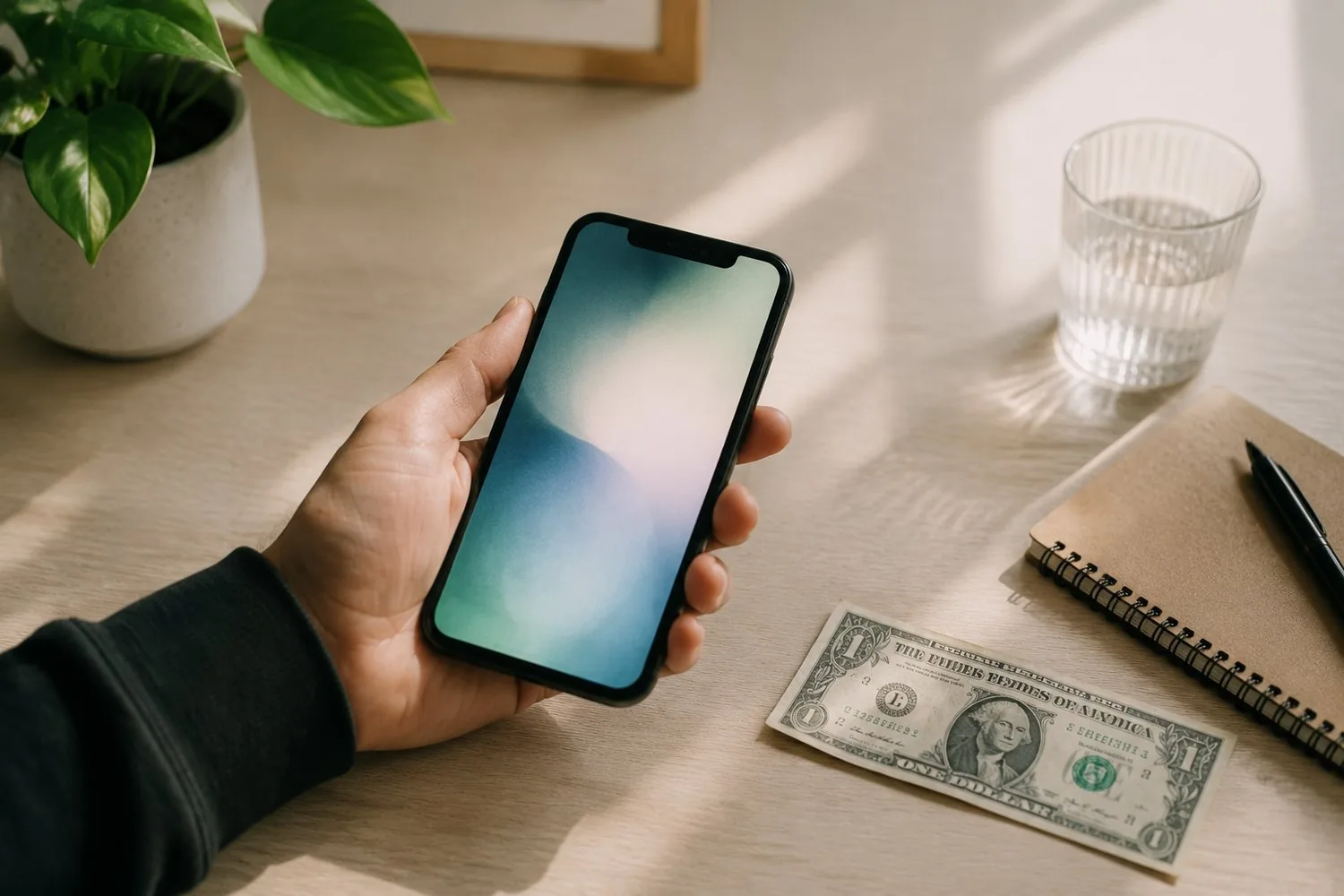
A hand holding a softly glowing phone above a bright desk, with a dollar bill and a small notebook nearby

One specific question per piece

Each one comes with a comparison table, steps and a “when to stop”. No filler, no repeating the same risk note over and over.

With dollars, the hard part isn't converting. It's where you park them

A full side-by-side of the four containers and the logic for choosing. Start here to build your map.

about 12 min

An offshore dollar account is the steadiest option, and the one with the highest bar

What it takes to open one, how wire and intermediary fees add up, and how long it takes.

about 9 min

Wise and Revolut can hold dollars, but they are not banks

Whether they are really banks, how to read the spread, and how to guard against limits and freezes.

about 10 min

Are stablecoins “digital dollars”? They behave more like an all-hours container

How USDT/USDC work, where they save you money, and how they fit beside the other three containers.

about 13 min

When does “1 dollar” stop being 1 dollar? Three kinds of stablecoin risk

Depeg, platform and compliance: the cases where “1 dollar” no longer equals 1 dollar.

about 11 min

“Zero fee” is often the most expensive kind: how the spread eats your money

Mid-market rate, quoted spread and hidden cost, and how to back out how much got taken.

about 8 min

Three questions that settle which container your dollars belong in

Sort by amount, purpose, regional availability and risk tolerance, and place yourself.

about 7 min

If they want an “unlock fee” before you can withdraw, it is almost always a scam

Fake support, phishing sites, prepaid “unlock fees” and how to guard a shared device.

about 10 min

The last check before you open an account or sign up

The final step before opening or signing up: tick off the official domain, fees and compliance one by one.

about 6 min

Before you open any platform, run this first

Whichever container you land on, confirm these few first. The full checklist lives in the guide.

  • The address bar shows the platform's official domain, not a look-alike phishing spelling
  • Fees, spread and regional availability follow the official page at the time
  • This site never asks you for a password, code, private key or seed phrase
  • Use only an amount you can afford to lose, and run a small test first
  • Whether your region allows it is yours to check; this site draws no conclusion

About this site

What it is

An independent education site that explains how to hold dollars clearly. Not affiliated with any bank, broker or exchange.

What it does not do

No buy or sell advice, no promise that value holds or grows, no collecting sensitive data, no opening or operating accounts for you.

How it earns

Some outbound links are sponsored referral links. Signing up through one costs you no more, and the site may earn a commission, which does not change how we describe risk and cost.

Where the information comes from

Content is compiled from public rules and real-world processes. Exact fees, rules and regional availability follow each platform's own official page.