For most people, inflation starts at the checkout: the same cart was 300 last year and is 350 now. Yet the number in the bank hasn’t budged, so it’s easy to assume “the money is still there.” That’s the catch: the money is there, but what it buys keeps shrinking.
The balance stays still; its buying power does not
What inflation takes isn’t the number in your account; it’s the purchasing power behind that number. You can’t stop inflation where you live, but you can decide which currency and which container “the savings that just sit” live in. There are three things you can do: separate money to spend from money to keep, give the money you keep a home that shrinks less, and don’t rush into high-yield products you don’t understand just to beat inflation. “Keeping some dollars” is one common option inside the second point, not the only answer, and not a guaranteed one.
How inflation nibbles at money
Inflation is prices rising across the board. To the cash in your hand, it acts like an invisible discount applied every year: a dollar this year counts as about ninety-odd cents next year. One year alone is painless; the trouble is it stacks year on year, like interest.
Here’s an easy rule: divide 72 by the annual inflation rate for roughly how many years it takes purchasing power to halve. At 6%, about 12 years; at 12%, six years cuts it in half. A sum left in a high-inflation currency for a decade or so can keep only half its purchasing power while the account number never drops, which is why it slips past us. To turn this into a concrete figure, try this tool: purchasing power calculator. Enter an amount, an inflation rate and years, and the loss is right there.
The real US numbers
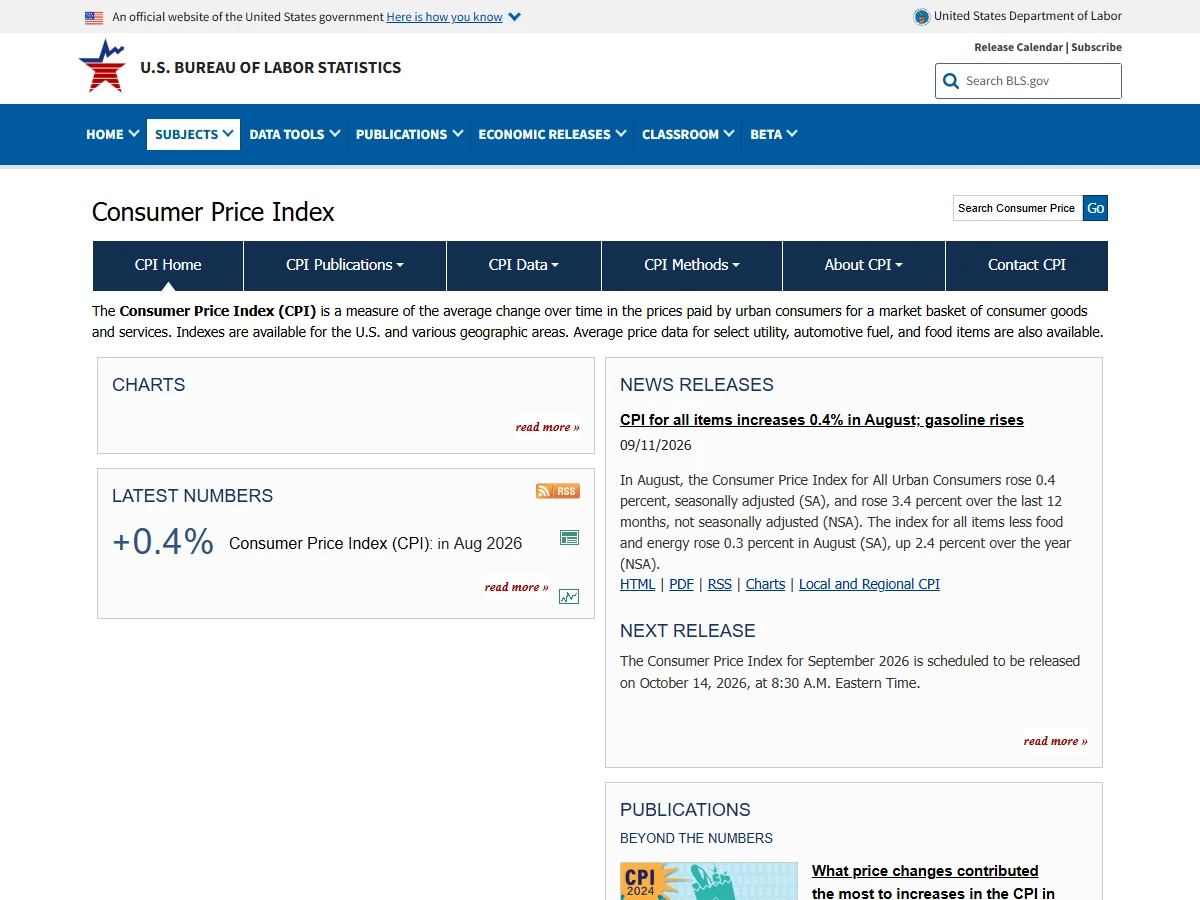
The dollar has inflation too, usually a milder kind. The annual average of the consumer price index for urban consumers (CPI-U), published by the Bureau of Labor Statistics, was 255.7 in 2019 and 321.9 in 2025, a rise of about 26% in six years. Put another way, $100 left in a drawer in 2019 bought only about $79 worth of goods in 2025. Prices rose 8% in 2022 alone.
If your own currency inflates faster than the dollar, the gap widens quickly. At 10% a year, money keeps only about 39% of its purchasing power after ten years; at 3% a year, it keeps about 74%. Moving part of your savings into dollars slows the loss but does not stop it, and the exchange rate moves too.
Why idle cash is hit hardest
Not all money is hit equally. Cash you spend day to day turns over fast, in and out before inflation can bite. What’s truly exposed is savings that sit still, untouched for years. The longer they sit, the more times the discount applies.
Houses, stocks, foreign currency: their prices swing with the market, and over the long run they have a chance to keep up with or even outrun prices. Plain cash and demand deposits feel safest yet have the least defense against inflation. This isn’t a push to convert all cash into assets; you still need a pot you can move at any moment. It’s just a reminder: keeping money you won’t use for years as local cash has a cost, one that simply never sends you a bill.
Split the money, then give each part a home
One pot is money you will spend, or might need in an emergency, within six months to a year. Keep enough there, keep it steady and reachable, and leave it alone when inflation headlines get loud. The other pot is savings you probably will not touch for three to five years, and that is the one worth arranging with care.
For the savings pot, the aim is to stop it sitting entirely in cash in a high-inflation currency. Moving part of it into a steadier currency such as the dollar, or into an account with a formal record, are common ways to do that; which suits you depends on the amount, what is available where you live and how much swing you can live with.
The more anxious you feel about money shrinking, the easier it is to fall for “guaranteed returns” or “protected high interest”. Beating inflation is slow work. Getting the savings parked safely matters more than an extra point or two of yield.
Keeping some dollars is one option
Why do so many people think of dollars when they think about hedging inflation? Because its long-run inflation tends to be lower and steadier, so as one part of your savings it can slow how fast money shrinks while it sleeps. Note the “one part” and “slow it down some”: it isn’t a safe box, exchange rates move, and short-term it can fall rather than rise against your local currency. Treat it as one leg that spreads your savings’ risk, not a guaranteed vault, and the mindset is right.
If you do decide to keep some dollars, in practice it comes down to a few containers: an offshore bank account, a multi-currency wallet like Wise or Revolut, dollars in a brokerage, and the round-the-clock, low-cost stablecoin. Their bar, cost, regional availability and risk all differ, and the stablecoin leg in particular needs its risks understood before you touch it: is a stablecoin a “digital dollar”, and what can go wrong with it. If you go the stablecoin route, you need an exchange that verifies your identity to buy and sell; the Binance sign-up guide shows where the referral code goes and how the ID check works.
Common questions
Sources and updates
The CPI figures come from the Bureau of Labor Statistics, and its inflation calculator can confirm the annual averages; for other countries, the World Bank and IMF databases carry national inflation series.